Introduction to Japanese Katsu Bowls
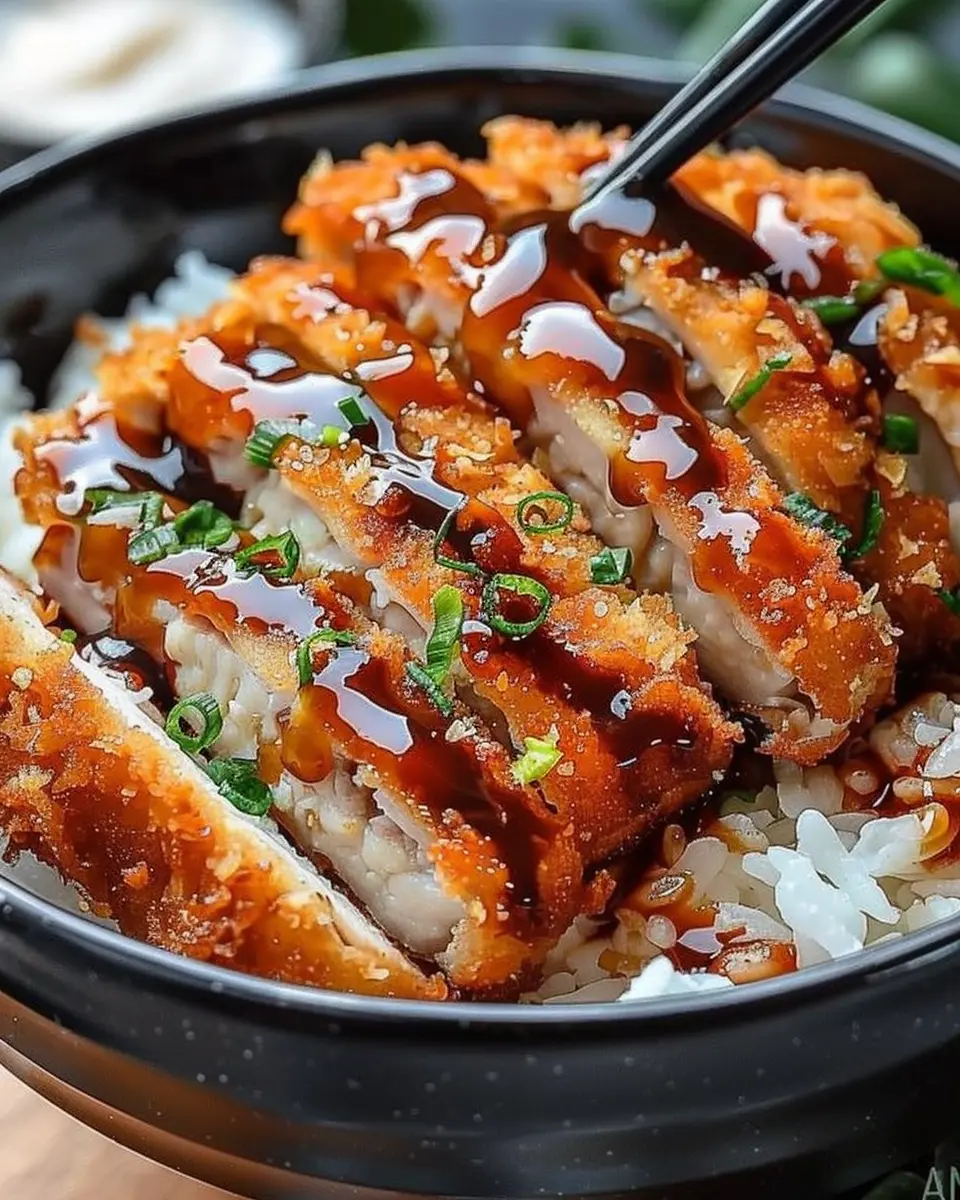
If you’re a young professional who’s always on the go, you know the struggle of finding quick, nutritious meals that don’t break the bank or your schedule. Enter Japanese Katsu Bowls—a delicious, satisfying dish that’s become a favorite for anyone who prefers a mix of convenience and flavor. With crispy marinated meat on a bed of rice topped with savory tonkatsu sauce, it’s not just a meal; it’s an experience that you can whip up in no time.
Why Japanese Katsu Bowls Are a Game Changer for Young Professionals
Picture this: it’s 6 PM, you’re just wrapping up another busy day, and the last thing you want to do is spend an hour cooking dinner. The beauty of Japanese Katsu Bowls lies in their simplicity and adaptability. You can use different proteins such as beef or even tofu if you’re not in the mood for meat. Plus, they can be easily reheated, making them perfect for meal prep.
Here’s why these bowls are a game-changer:
- Speedy Preparation: You can prepare a full katsu bowl in less than 30 minutes, which means more time for your side projects or just unwinding after work.
- Healthy Options: When made with lean meats like turkey bacon or chicken ham, these bowls provide a solid protein boost without excessive calories.
- Cost-Effective: By making them at home, you save money compared to takeaway, which adds up—especially in urban areas.
- Customizable: Toppings like sliced avocado, scallions, or pickled vegetables can elevate your katsu bowl and suit your palate perfectly.
For the culinary curious, the origins of katsu date back to the late 19th century, introducing Western fried cutlet to Japan. Over time, it has evolved into a dish synonymous with comfort and personal flare. Interested in diving deeper into katsu and its history? Check out this insightful article for more background.
With this dish, you can bring a taste of Japan right into your kitchen without a complex setup. So preheat the skillet, gather your ingredients, and let’s create something extraordinary together. Your taste buds will thank you!
Ingredients for Japanese Katsu Bowls
Essential ingredients for the perfect katsu bowl
Crafting delicious Japanese Katsu Bowls at home is all about the right ingredients. To start, you’ll need:
- Beef Cutlet: Opt for a tender cut like sirloin or ribeye, ensuring your katsu is juicy and flavorful.
- Panko Breadcrumbs: These Japanese breadcrumbs create that signature crispy texture. They’re lighter than regular breadcrumbs, providing the perfect crunch.
- Eggs: Used for binding the breadcrumbs, eggs help the panko stick to the beef while frying.
- Tonkatsu Sauce: This sweet and tangy sauce is essential for drenching your katsu. You can find a variety of store-bought or try making your own by combining ketchup, Worcestershire sauce, and soy sauce.
- Rice: Short-grain Japanese rice is great for serving as the base of your katsu bowl. It’s sticky and perfectly complements the beef.
- Vegetables: Fresh greens, like shredded cabbage or pickled daikon, add a refreshing crunch and vibrant color to your dish.
With these ingredients in hand, you’re well on your way to creating a delightful Japanese Katsu Bowl that will impress family and friends alike! For tips on selecting the freshest beef, check out the USDA guidelines.
Preparing Japanese Katsu Bowls
If you’ve ever craved the crispy, juicy goodness of katsu, you’re in for a treat! Japanese Katsu Bowls are not only delicious but fun to make at home. This step-by-step guide will take you through the essential processes, ensuring that your katsu turns out perfect every time.
Preparing Your Cutlets
To start with your katsu creation, you’ll need to choose the right cut of beef. The best options are typically either sirloin or tenderloin, as they’re both tender and juicy. Begin by slicing your beef into even cutlets, about 1/2 inch thick. This thickness is crucial—if they’re too thick, they won’t cook evenly.
Once your cutlets are ready, it’s essential to tenderize them. A meat mallet works wonders here! Place the cutlets between two pieces of plastic wrap and gently pound them to achieve an even thickness. This not only helps in breaking down the fibers for a softer texture but also ensures that they cook evenly. For additional flavor, you can marinate the cutlets in a mixture of soy sauce, garlic, and ginger for about 30 minutes before you begin breading.
Setting Up Your Breading Station
Now, let’s create a breading station that will make your life easier. You’ll need three shallow dishes for the process:
- Dish 1: All-purpose flour mixed with a pinch of salt and pepper. This acts as the base layer.
- Dish 2: Beaten eggs (about 2 large eggs should suffice) for that perfect sticky layer.
- Dish 3: Panko breadcrumbs. This light, airy breadcrumb is key to achieving that delightful crunch.
As you prepare to bread your cutlets, consider this: why do chefs insist on panko? According to food experts at Serious Eats, the unique texture of panko allows for superior crispiness compared to regular breadcrumbs. And that crispy texture is what we’re really aiming for in our Japanese Katsu Bowls!
Frying to Perfection
With your cutlets breaded and ready, it’s time for the frying. Heat about 1/2 inch of vegetable oil in a large skillet over medium-high heat. To check if the oil is hot enough, drop a few breadcrumbs into the oil. If they sizzle, you’re good to go!
Carefully add the breaded cutlets to the hot oil. Don’t overcrowd the pan; you want them to fry evenly. Fry for about 3-4 minutes on each side, or until they’re golden brown and crispy. Once done, transfer them to a paper towel-lined plate to drain any excess oil.
Making Delicious Tonkatsu Sauce
No Japanese Katsu Bowl is complete without a drizzle of tonkatsu sauce! This sweet and tangy sauce elevates your dish to a whole new level. It’s easy to whip up at home using:
- 1/4 cup ketchup
- 2 tablespoons Worcestershire sauce
- 1 tablespoon soy sauce
- 1 teaspoon sugar
Simply mix the ingredients in a bowl until well combined. For added depth, you can also include a splash of lemon juice or a dash of garlic powder. This sauce can be made ahead of time, so consider preparing a larger batch for your next katsu cravings!
Assembling the Bowl
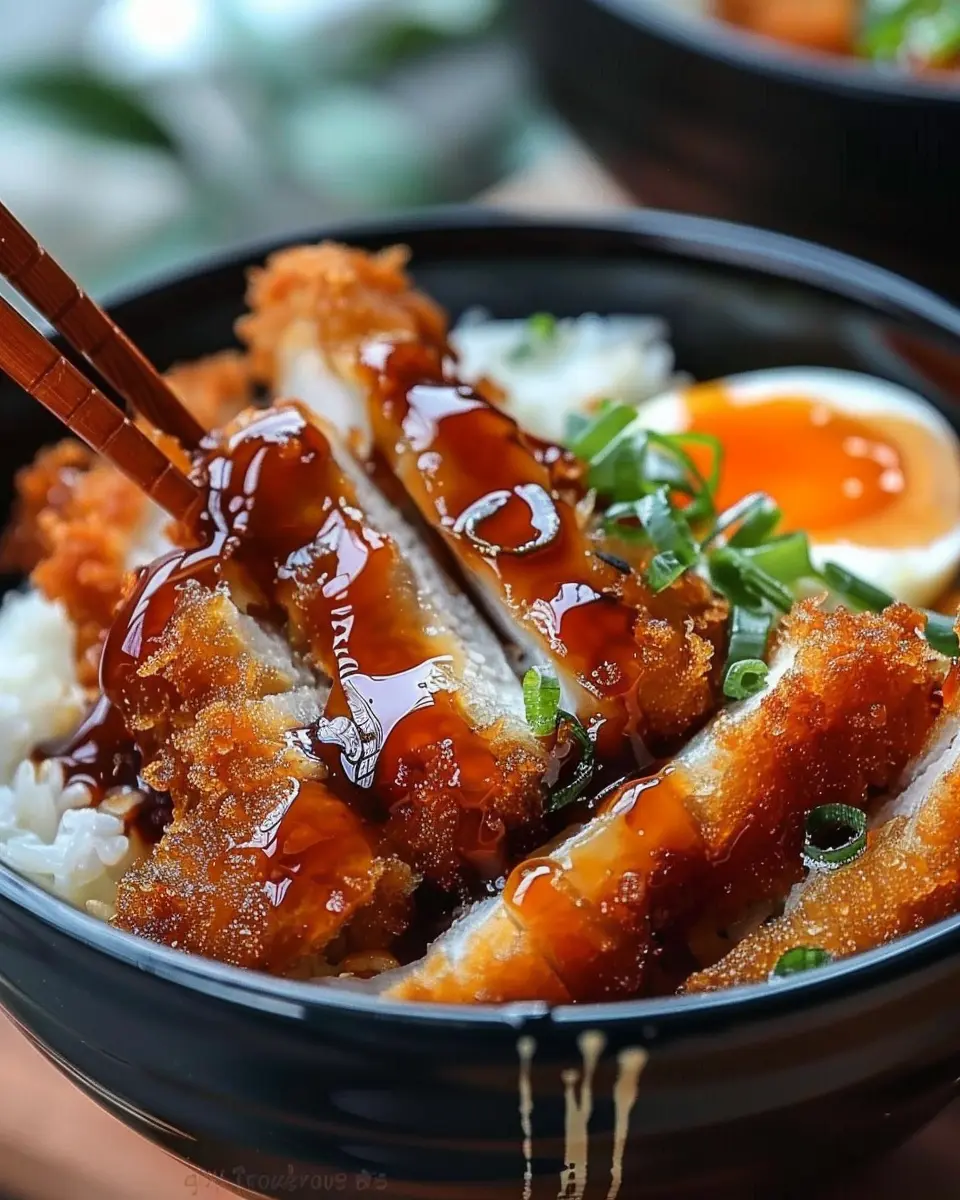
Now that you have your crispy cutlets and delicious tonkatsu sauce, it’s time to assemble your Japanese Katsu Bowls! Start with a generous scoop of steamed rice as your base. Layer on the sliced katsu, then drizzle with that luscious tonkatsu sauce. For added nutrition and color, you might want to toss in some shredded cabbage, sliced green onions, or even a soft-boiled egg.
The combination of flavors and textures in a Japanese Katsu Bowl is simply irresistible. Serve immediately, and enjoy the smiles around the table! Remember, cooking should be a joyful experience—so don’t rush. Relish each step, and savor the delicious rewards at the end.
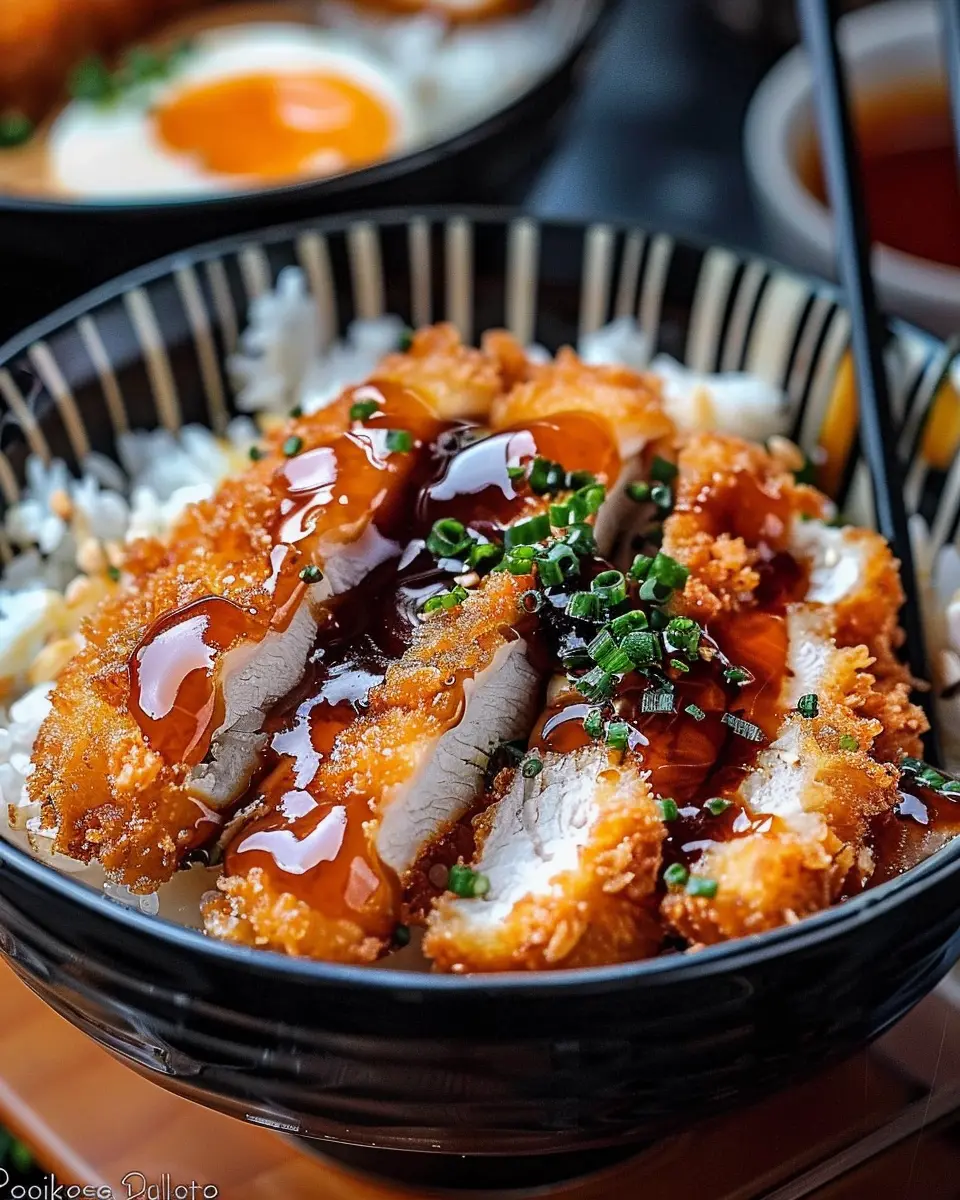
Variations on Japanese Katsu Bowls
When it comes to Japanese katsu bowls, the possibilities are nearly endless. These bowls are not only versatile but also a fun canvas for your culinary creativity. Let’s dive into some exciting variations that cater to different dietary preferences and tastes.
Vegetarian Katsu Bowls
For plant-based enthusiasts, transforming your katsu bowl into a vegetarian delight is easy! Instead of beef, consider using:
- Eggplant: Breaded and fried eggplant slices offer a deliciously rich flavor and meaty texture.
- Tofu: Firm tofu coated in breadcrumbs makes for a satisfying protein source. Try marinating it in soy sauce before frying for extra taste.
Pair your vegetarian katsu with sautéed vegetables or a refreshing salad for a wholesome meal. If you’re on the lookout for tasty plant-based options, resources like BBC Good Food offer a plethora of recipes to explore.
Seafood Katsu Bowls
If you’re a seafood lover, why not try shrimp or fish katsu?
- Shrimp: Lightly breaded and fried shrimp can add a delightful crunch to your bowl.
- White Fish: A flaky white fish fillet takes on a nice golden hue when cooked, enhancing the overall experience.
Serving your seafood katsu with a wedge of lemon or a spicy mayo can elevate the flavors, creating a balanced, savory meal.
Different Sauce Options
While tonkatsu sauce is a classic choice, branching out can introduce new flavor profiles to your katsu bowl. Consider:
- Teriyaki Sauce: This sweet and savory option can add a wonderful glaze.
- Spicy Mayo: A mix of mayonnaise and your favorite hot sauce gives a kick while maintaining creaminess.
Experimenting with different sauces not only personalizes your dish but also makes it a fun culinary adventure. For more inspiration, check out Serious Eats for tips on sauces and condiments.
By incorporating these variations, your Japanese katsu bowls can always feel fresh and exciting, perfect for impressing a date or simply enjoying a cozy night in!
Cooking Tips and Notes for Japanese Katsu Bowls
Perfect Frying Techniques
To achieve the ultimate Japanese Katsu Bowls, focus on your frying technique. A deep frying thermometer can be your best friend here; aim for an oil temperature around 350°F (175°C). This ensures that the beef cooks evenly, while the panko breadcrumbs achieve their signature crispy texture. Don’t overcrowd the pan—this lowers the oil temperature and leads to less crispy katsu. Fry your pieces in batches for a golden-brown perfection.
Storing Leftovers
If you find yourself with delicious leftovers, store your katsu properly to maintain that crispy goodness. Allow the fried beef to cool before placing it in an airtight container. Store it in the refrigerator for up to three days. For the best results, reheat in an oven or toaster oven to preserve its crispiness instead of using a microwave, which can make it soggy.
For more tips on Japanese cooking and authentic recipes, check out Just One Cookbook. Enjoy your culinary adventure!
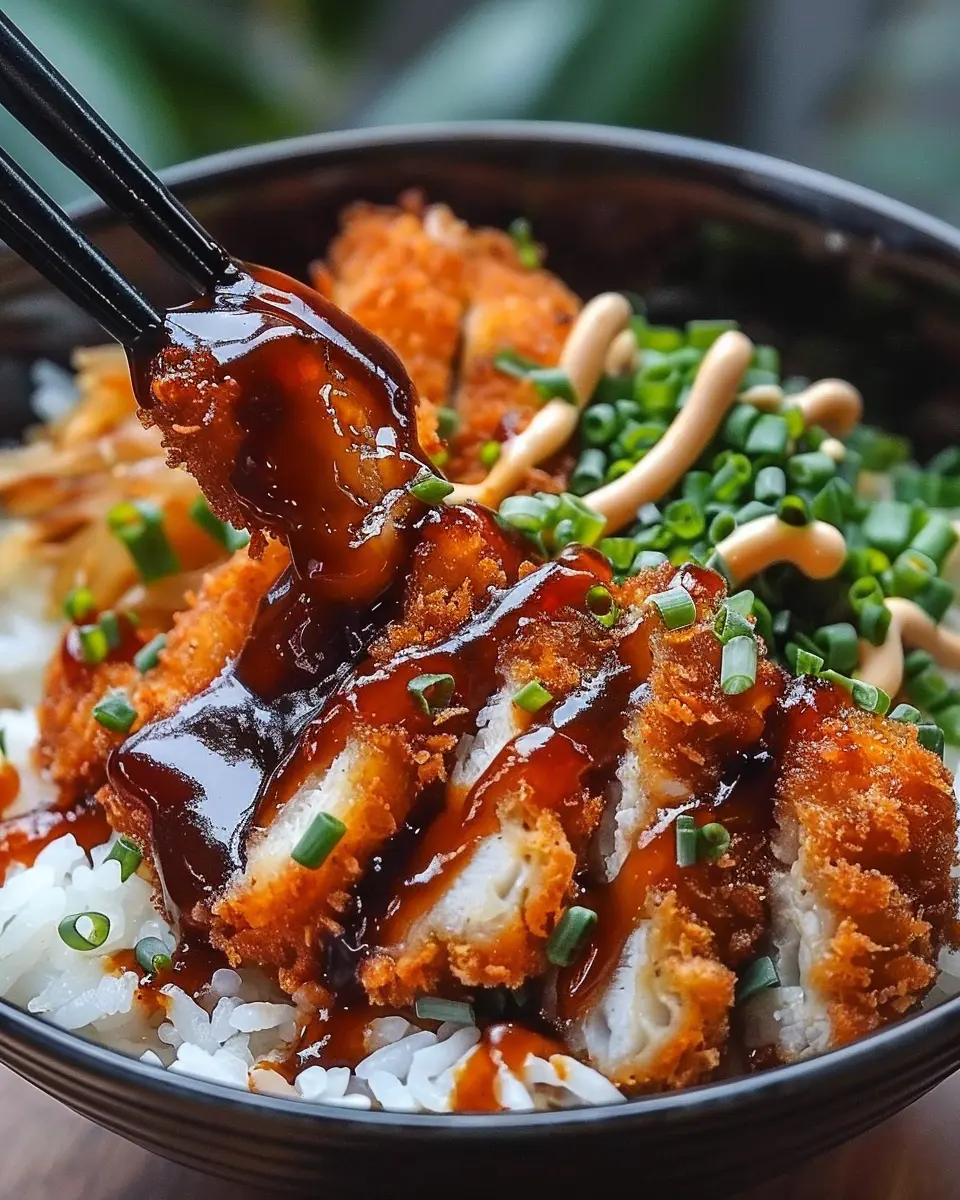
Serving suggestions for Japanese Katsu Bowls
Pairings that elevate your meal
When it comes to enjoying Japanese Katsu Bowls, consider adding a few complementary sides to make your meal unforgettable. A light and tangy cucumber salad dressed in rice vinegar provides a crisp contrast to the rich flavors of the katsu. If you’re seeking something heartier, steamed rice with a dollop of pickled ginger adds a delightful zing that enhances the overall dish.
Don’t forget to serve your Katsu Bowls with a refreshing drink like green tea or a cool, non-alcoholic sparkling water with a splash of lemon.
Creative presentation ideas
How you present your Japanese Katsu Bowls can make all the difference. Consider using a bowl with vibrant colors or patterns to brighten your table. Layer your ingredients artfully, placing the perfectly golden katsu on top of the rice, garnished with sliced green onions. A sprinkle of sesame seeds adds not just flavor but visual appeal too.
For an extra touch, why not arrange everything in a bento box? This not only looks stunning but lets your guests savor each element of the dish in perfect portions.
These simple enhancements will elevate your Japanese Katsu Bowls from ordinary to extraordinary!
Time Breakdown for Japanese Katsu Bowls
When you’re craving a delicious bowl of Japanese Katsu, timing can make all the difference. Here’s how to break it down:
Preparation Time
Expect about 20 minutes for prep work. This includes gathering your ingredients, chopping, and breading the beef for that perfect crunchy texture. Need tips on how to properly bread your meat? Check out this comprehensive guide.
Cooking Time
Once you’ve prepped, cooking will take around 15 minutes. You’ll want to focus on frying your katsu until it’s golden brown and delicious. Don’t forget to keep an eye on the temperature for the best results!
Total Time
In total, you’re looking at about 35 minutes from start to finish. A quick and satisfying meal, perfect for busy weeknights or a relaxed weekend get-together!
Nutritional facts for Japanese Katsu Bowls
Calories per serving
When diving into the delicious world of Japanese Katsu Bowls, a typical serving clocks in at around 600-700 calories. It’s a satisfying meal that brings a delightful crunch and flavor without tipping the scales too far.
Protein content
You’ll be pleased to know that these bowls are a protein powerhouse, mainly due to the beef cutlet. Expect approximately 35-40 grams of protein per serving, making it an excellent choice for pumped-up lunch or dinner to fuel your busy day.
Key nutrients
Alongside protein, Japanese Katsu Bowls can boost your daily nutrient intake with:
- Carbohydrates: The rice base contributes essential carbs for energy.
- Healthy fats: The frying process implements some heart-healthy fats.
- Vitamins and minerals: The accompanying veggies add vital nutrients like vitamin C and potassium.
For more information on the nutritious benefits of incorporating lean proteins and whole grains into your diet, check out this Harvard health article.
So, isn’t it comforting to know that your indulgent Katsu Bowl isn’t just a treat, but a balanced meal too? What’s your favorite way to enjoy this dish?
FAQ about Japanese Katsu Bowls
What sides pair well with katsu bowls?
When contemplating the perfect sides for your Japanese Katsu Bowls, think about balancing flavors and textures. Some delightful options include:
- Rice: A simple white or brown rice is a classic choice, allowing the katsu to shine.
- Pickled Vegetables: These can add a tangy contrast, refreshing your palate.
- Salads: A light cabbage or cucumber salad tossed in a sesame dressing brings a crunchy element.
- Miso Soup: This warm side can enhance the umami experience of your meal.
How can I make katsu bowls healthier?
If you’re looking to enjoy a Japanese Katsu Bowl but want a healthier twist, consider these tips:
- Lean Protein: Swap beef katsu for grilled chicken or tofu to reduce fat.
- Whole Grains: Use brown rice or quinoa instead of white rice for added fiber and nutrients.
- Baked Katsu: Rather than frying, try baking the katsu. It retains flavor with less grease.
- Tons of Veggies: Incorporate steamed or stir-fried vegetables for added vitamins without major calorie boosts.
Are there gluten-free options for katsu bowls?
Yes, you can absolutely create gluten-free Japanese Katsu Bowls! Here’s how:
- Use Gluten-Free Breadcrumbs: Panko is typically made from wheat, but gluten-free alternatives are widely available.
- Soy Sauce Alternatives: Replace regular soy sauce with tamari, which is gluten-free.
- Check Other Ingredients: Ensure that any sauces used (like your tonkatsu sauce) are gluten-free as well.
Exploring these variations can make Japanese Katsu Bowls accessible to everyone. For further reading on katsu variations, check out this insightful piece on Japan Centre, where they discuss popular Japanese dishes. Enjoy crafting your own delicious and personalized bowls!
Conclusion on Japanese Katsu Bowls
Japanese Katsu Bowls are an essential meal for young professionals seeking a quick yet satisfying dish. Combining crispy breaded protein with fluffy rice and a drizzle of savory tonkatsu sauce, they offer a delightful blend of flavors that energizes your day. Not only are katsu bowls easy to make, but they also impress at any casual dinner with friends. With their balance of textures and tastes, they’re perfect for a cozy night in or a grab-and-go lunch. If you haven’t tried them yet, now’s the perfect time to whip up your version and experience the deliciousness firsthand!
Why You Need to Try Japanese Katsu Bowls Today
- Quick and Easy: Ideal for busy schedules, as you can prepare them in under 30 minutes.
- Customizable: Use different proteins like turkey bacon or chicken ham to suit your preferences.
- Satisfying Flavor: The combination of crispy, tender, and savory elements will leave you wanting more.
To learn more about making Japanese Katsu Bowls, check out insights from Serious Eats for expert tips on creating the perfect crispy coating!
PrintJapanese Katsu Bowls: Easy Recipe with Delightful Tonkatsu Sauce
Learn how to make Japanese Katsu Bowls with a delightful Tonkatsu sauce that will impress your family and friends.
- Prep Time: 15 minutes
- Cook Time: 20 minutes
- Total Time: 35 minutes
- Yield: 4 servings
- Category: Main Dish
- Method: Frying
- Cuisine: Japanese
- Diet: Gluten-Free
Ingredients
- 2 cups cooked rice
- 1 tablespoon vegetable oil
- 2 chicken breasts
- 1 cup panko breadcrumbs
- 1 egg, beaten
- 1/2 cup all-purpose flour
- 1/2 cup tonkatsu sauce
- 2 green onions, sliced
Instructions
- First, prepare the rice as per package instructions.
- Coat each chicken breast in flour, dip in egg, then roll in panko breadcrumbs.
- Heat vegetable oil in a frying pan over medium heat.
- Fry the breaded chicken until golden brown and cooked through.
- Slice the chicken and place it over a bowl of rice.
- Drizzle with tonkatsu sauce and garnish with sliced green onions.
Notes
- For extra crunch, double bread the chicken by repeating the egg and breadcrumb steps.
- Serve with pickled vegetables for an authentic touch.
Nutrition
- Serving Size: 1 bowl
- Calories: 600
- Sugar: 5g
- Sodium: 700mg
- Fat: 25g
- Saturated Fat: 4g
- Unsaturated Fat: 18g
- Trans Fat: 0g
- Carbohydrates: 70g
- Fiber: 2g
- Protein: 30g
- Cholesterol: 80mg